
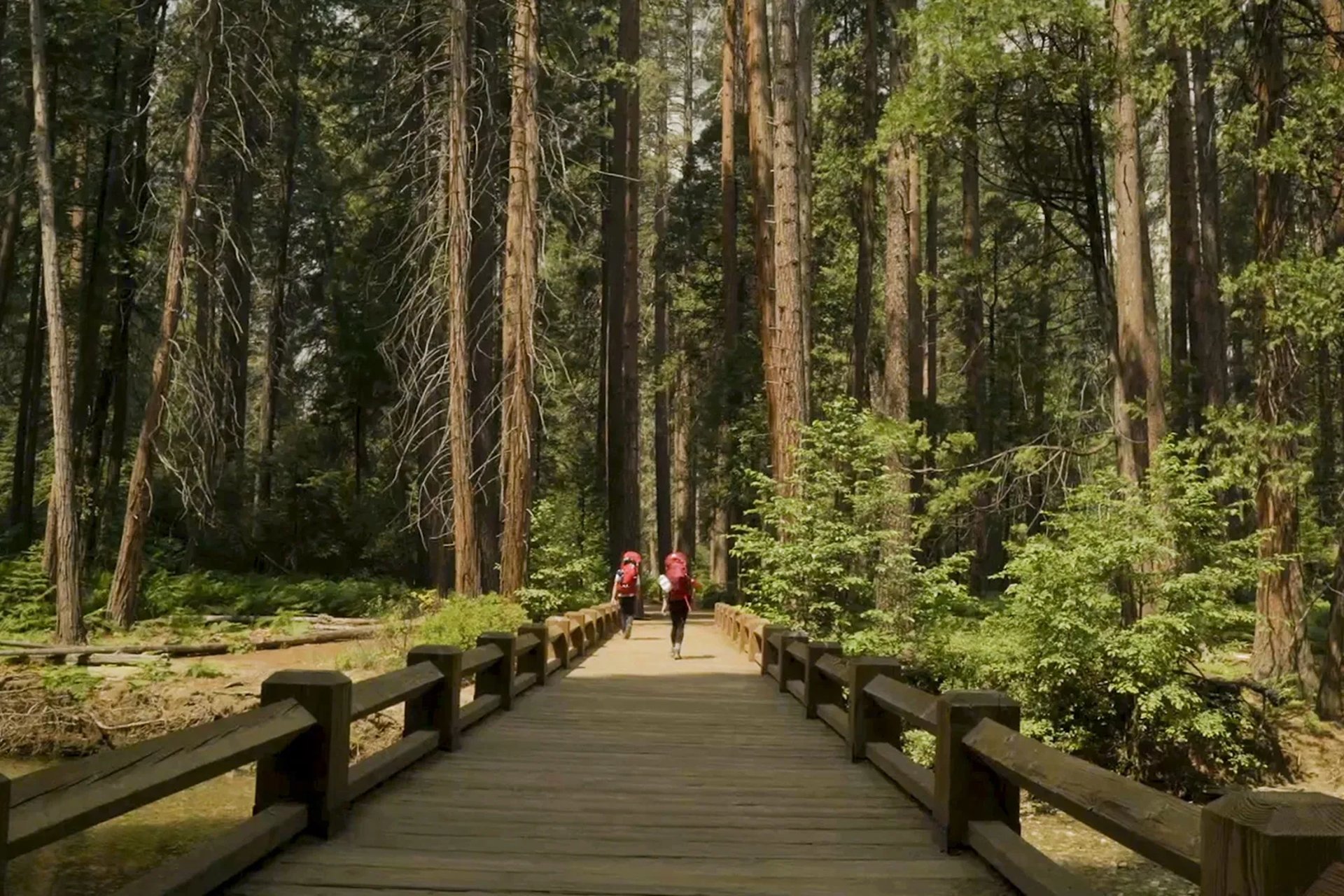
Forest Bathing in Winter: Calm, Quiet, and Clarity
Discover the restorative benefits of winter forest bathing—how slow, mindful time in nature during colder months can calm the nervous system, sharpen clarity, and support emotional well-being.
EXPLORATION
P & P
12/19/20253 min read


Forest Bathing in Winter: Calm, Quiet, and Clarity
Amazon Associate Disclosure: As an Amazon Associate, Papaver & Petals earns from qualifying purchases.
When the Forest Falls Silent
Winter has a way of softening the world. Leaves have fallen, birdsong quiets, and the forest exhales into stillness. Where summer invites movement and abundance, winter offers something subtler: space.
Forest bathing—also known as shinrin-yoku—is often associated with lush green canopies and warm breezes. Yet winter may be the most powerful season to practice it. Without distraction, the forest reveals its bones. Every sound, texture, and breath becomes more noticeable. The quiet is not empty—it is restorative.
Winter forest bathing isn’t about endurance or distance. It’s about presence. About letting the nervous system slow down in an environment that asks very little of you.
What Is Forest Bathing, Really?
Forest bathing is not hiking. It’s not exercise. And it’s not about reaching a destination.
Originating in Japan, shinrin-yoku translates to “taking in the forest atmosphere.” The practice involves moving slowly through a natural environment, engaging the senses intentionally, and allowing the body to respond without agenda.
In winter, this practice becomes even more distilled. Without foliage or vibrant color, attention naturally shifts inward. The mind has fewer places to wander, and the body settles more quickly.
Research has shown forest bathing can:
Lower cortisol (stress hormone)
Reduce blood pressure
Improve mood and mental clarity
Support immune function
Winter amplifies these benefits through stillness and simplicity.
Why Winter Is Especially Restorative
Cold air carries a unique clarity. Breathing deeply in winter often feels cleaner, sharper—almost medicinal. With fewer people on trails and less ambient noise, the forest becomes a refuge rather than a backdrop.
1. The Nervous System Loves Quiet
Winter forests are quieter by nature. This reduction in sensory input allows the parasympathetic nervous system—the “rest and digest” mode—to activate more easily. Thoughts slow. Muscles soften. Breathing deepens.
2. Visual Simplicity Reduces Mental Clutter
Bare branches, muted tones, and open sightlines reduce visual overstimulation. The brain doesn’t need to process abundance, only form. This supports mental clarity and emotional regulation.
3. Cold Enhances Presence
When temperatures drop, the body becomes more aware. Hands, breath, and movement are felt more distinctly. This physical awareness anchors attention firmly in the present moment.
How to Practice Forest Bathing in Winter
Forest bathing requires no special training—only intention. Winter simply asks for a bit more preparation and patience.
Dress for Stillness
Layer warmly and comfortably. Choose natural fibers when possible, and bring a thermos with warm tea. When the body feels safe and warm, the mind can relax.
Iguana Mens 100% Merino Wool Base Layer Sets - https://amzn.to/4j6ma0U
Iguana Womens 100% Merino Wool Base Layer Sets - https://amzn.to/4pzQqn4
Move Slowly—or Not at All
Winter forest bathing may involve walking just a few hundred yards in an hour. Pause often. Sit on a fallen log. Stand still and listen. There is no need to “do” anything.
Engage the Senses Gently
Sight: Notice the architecture of bare trees, the way light moves through branches.
Sound: Listen for distant wind, the crunch of snow, or the subtle hum of quiet.
Smell: Cold air carries scent differently—pine, earth, damp leaves.
Touch: Feel bark texture, cold air on skin, the weight of clothing.
Allow sensations to arise without labeling or judging them.
Letting the Forest Hold You
One of winter’s greatest gifts is permission to rest. Forest bathing during colder months mirrors the natural world’s rhythm of dormancy. Nothing is rushing. Nothing is blooming. And that is enough.
Many people report emotional release during winter forest bathing—unexpected calm, clarity, or even grief. This is normal. Stillness creates space for what has been waiting beneath the surface.
If emotions arise, let them pass like weather through trees.
Creating a Winter Forest Bathing Ritual
Consistency deepens the benefits. Consider creating a simple seasonal ritual:
Visit the same forest or trail weekly
Go alone, without music or podcasts
Begin with three slow breaths before entering
End by acknowledging one thing you noticed that day
This repetition builds familiarity—not just with the landscape, but with yourself.
The Quiet Work of Winter
Winter forest bathing reminds us that growth doesn’t always look like expansion. Sometimes it looks like contraction, rest, and recalibration.
In the bare season, the forest teaches resilience without force. Strength without display. Beauty without performance.
And in walking quietly among winter trees, we often rediscover our own capacity for calm, clarity, and quiet joy.
A Gentle Invitation
If you’ve felt overstimulated, scattered, or emotionally heavy, consider letting winter’s forest do what it does best—hold space.
No steps to count. No miles to log. Just presence, breath, and the quiet companionship of trees waiting patiently for spring.