
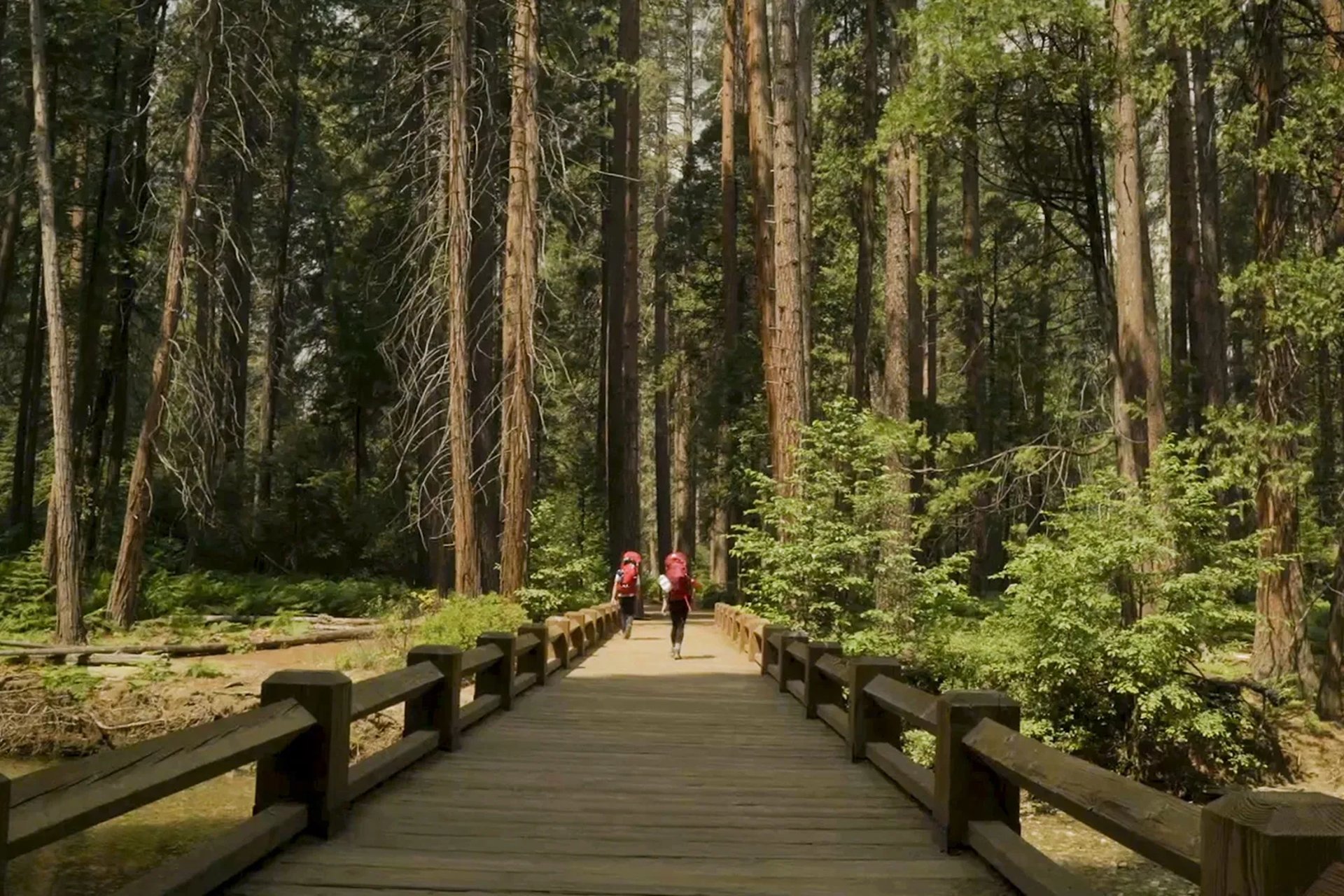
The Art of Winter Walks: Finding Beauty in the Bare Season
Discover the quiet magic of winter walks and learn how mindful movement outdoors can restore clarity, balance, and a renewed sense of presence. This guide explores what to observe in the bare season, how to reset your senses, and how to build a nourishing winter walking ritual.
OUTDOOR WELLNESS ROUTINES
P & P
12/15/20255 min read


The Art of Winter Walks: Finding Beauty in the Bare Season
Amazon Associate Disclosure: As an Amazon Associate, I earn from qualifying purchases.
Winter has a way of stripping the world back to its framework. The lush fullness of summer and the fiery drama of autumn fall away, leaving a landscape that seems quieter, sparer, and slower. At first glance, it can feel stark—yet that stillness is precisely where winter’s beauty lives.
In this pared-back season, details rise to the surface. Footprints in fresh snow, the soft rattle of dried seed pods, the pale glow of low sun on dormant fields—winter invites you to tune in more deliberately.
A mindful winter walk is not simply exercise. It becomes a practice in presence, sensory recalibration, and seasonal appreciation. This article helps you understand how to approach winter walks with intention, what to observe along the way, and how these quiet moments outdoors can reset your mind, body, and senses.
Why Winter Walks Matter
Winter often pulls us indoors—toward warmth, routine, and the contained comfort of home. But too much time inside can leave the mind feeling foggy and the body sluggish. A winter walk offers a compelling counterbalance.
This season brings:
• Crisp air that wakes the senses
• Calming neutrality in color and sound
• An environment that rewards slow observation
• A natural invitation to move with steadiness instead of rush
Winter walks are particularly grounding because the landscape lacks distraction. Without dense foliage or vibrant blooms, the subtler elements come forward. What remains are textures, structures, patterns, and atmospheres that are easy to overlook in more abundant seasons.
Mindful walking during this time can reduce stress, improve mental clarity, and help reestablish your connection to the natural world—an experience many people crave during the darker, quieter months.
How to Approach Winter Walking Mindfully
Mindfulness during a walk simply means moving with attention, curiosity, and slowness. Instead of covering distance as quickly as possible, you allow yourself to experience the walk fully—its sensations, its sounds, and its details.
Here are core principles for cultivating a mindful winter walking practice:
1. Begin With a Settling Breath
Before you take your first step, pause.
Feel your feet on the ground. Draw one slow breath through your nose, letting the cold air travel down your lungs. Exhale through your mouth and release any tension in your shoulders or jaw.
This one simple act brings you firmly into the present moment.
2. Choose a Gentle, Sustainable Pace
Winter isn’t a season for hurrying.
Move at a pace that lets you notice the sensory landscape around you. Lean into the rhythm of your steps. Observe how your breath syncs with your movement.
3. Tune Into Your Senses
Winter walks offer clean, uncluttered sensory input. Use that to your advantage.
• Sight: Contrast, shadows, shape, frost patterns
• Sound: Crisp leaves, crunching snow, distant bird calls
• Touch: Cold air on cheeks, texture of tree bark
• Smell: Smoke from chimneys, resin from pine branches
• Temperature: The shift between sheltered and open areas
Senses sharpen naturally in cold weather. A mindful walk welcomes that awakening with curiosity.
4. Let Your Thoughts Pass Without Chasing Them
As with meditation, thoughts will rise—plans, worries, memories, ideas. A mindful walk does not demand you clear your mind. Instead, notice thoughts, then return to the rhythm of your steps or your breath.
5. Stop When Something Draws You In
Winter offers quiet surprises. Pause to look closely at anything that catches your attention. A frozen leaf suspended in ice. A bird taking shelter in a thicket. Sunlight hitting a frosted branch.
These moments of focus are small acts of wonder.
What to Observe on a Winter Walk
Even in the calmest, most subdued winter landscape, nature continues to express its complexity. The key is learning what to look for.
**1. Bare Branches & Tree Silhouettes
With leaves gone, tree architecture becomes fully visible. Study branching patterns, overall shape, or the way certain trees lean or twist. Each has its own presence—oak strength, willow elegance, pine persistence.
2. Animal Tracks and Signs
Snow, mud, and frost hold stories. Look for tracks from birds, deer, foxes, rabbits, or even household pets. You may notice trails crossing, looping, or disappearing into woods.
Observe:
• Direction of travel
• Stride length
• Patterns unique to each species
It transforms the walk into a gentle treasure hunt.
3. Winter Light
Winter sunlight has a lower angle, creating long shadows and soft illumination throughout the day. Notice how cool light in the morning shifts to a warm golden tone in late afternoon. Pay attention to the way light catches on frost, ice, or dormant grasses.
4. Hidden Colors
Winter is not colorless. It simply expresses color differently.
Watch for:
• Rusty reds of dried leaves
• Soft greens of moss patches
• Silvery blues of frozen puddles
• Warm tans of dried grasses
• Burgundy undertones in bare stems
These subtle tones feel intentional, almost curated.
5. Soundscape Changes
With fewer insects and less foliage, winter sound carries further. Pause and listen.
You may hear:
• Wind shifting through bare branches
• Snow crunching or settling
• Crows calling in pairs
• Streams moving quietly under ice
The winter soundscape is minimalistic but deeply atmospheric.
6. Patterns in Ice and Snow
Frost crystals, frozen puddles, snowdrifts, icicles, and rime ice create natural art. Get close enough to see details—fractals, ripple lines, or shapes created by thaw-and-freeze cycles.
Resetting Your Senses Through Winter Walking
Cold air and minimal landscape visuals create a unique opportunity to refresh your senses and your nervous system.
1. Sensory Decluttering
Winter strips away excess—colors mute, sounds soften, fragrances fade. This makes the environment less stimulating, which allows your senses to recalibrate. Many people report feeling mentally clearer after even a short winter walk.
2. Breath Clarity
Cold air encourages deeper, more conscious breathing. Inhale slowly, feeling the coolness meet warmth in your chest. Exhale, noticing the soft cloud of breath dissolve.
This alone reduces stress and enhances focus.
3. Visual Refocus
Without leaves, dense ground cover, or blooming plants, the eye naturally shifts to structure, contrast, and line. This strengthens visual observation skills and renews your ability to notice subtlety.
4. Reconnecting With Natural Pace
Winter encourages slowness. A mindful walk helps your internal tempo match the calm of the season. This slowing can support stress reduction, better sleep, and improved emotional balance.
How to Create a Winter Walking Ritual
Ritualizing your winter walks gives you something grounding to return to throughout the season.
Consider incorporating:
• A specific route with small variations each week
• A thermos of herbal tea for mid-walk warmth
• A nature journal entry afterward
• A photo of one small detail you observed
• A few minutes of breathwork at the end
These small rituals build meaning and consistency.
Gear That Supports the Experience
(A few optional essentials that can be linked via Amazon if you wish.)
Insulated walking boots
Columbia Womens Moritza Shield Omni-Heat Insulated Snow Boot - https://amzn.to/3YndARB
Columbia Men's Fairbanks Omni-Heat Snow Boots - https://amzn.to/3XOG1b5
Wool or moisture-wicking socks
Anlisim 3 Pairs Unisex Merino Wool Ski Thermal - https://amzn.to/4rZ0QhS
A thermally lined hat
TOP-EX DryKnit™ Unisex 80% Merino Wool Waterproof Beanie with Ear Flap - https://amzn.to/4qb0SBA
Lightweight gloves with grip
New Balance Lightweight Touchscreen Warm Running Gloves - https://amzn.to/4pAdp1j
A simple field notebook for observations
Hand warmers for very cold days
2 Pack Hand Warmers Rechargeable - https://amzn.to/4q67Ib9
Choose items that keep you warm enough to stay outside without distraction.
Closing Thoughts
The bare season rewards presence. Winter walks remind you that beauty doesn’t always shout—sometimes it whispers. When you slow down, step outside, and meet the season with curiosity, you begin to see winter not as an absence, but as an invitation.
An invitation to look closely.
To breathe deeply.
To reconnect with what matters.
To let stillness become a form of nourishment.