
What Nature Teaches Us About Beginnings: Starting the Year Without Rushing
Nature never rushes a beginning. Explore how seasonal wisdom from winter gardens, quiet homes, and reflective outdoor movement can guide a slower, more intentional start to the new year.
OUTDOOR WELLNESS ROUTINES
P + P
1/11/20263 min read


What Nature Teaches Us About Beginnings: Starting the Year Without Rushing
Papaver & Petals is a participant in the Amazon Services LLC Associates Program. This means we may earn a small commission from qualifying purchases—at no additional cost to you—if you choose to shop through links in this article.
The Myth of the January Reset
The start of a new year is often framed as an urgent reset. Calendars flip, goals are declared, and momentum is demanded before the season itself is ready. Yet nature offers a different lesson.
In winter, beginnings do not announce themselves loudly. Seeds lie dormant. Trees conserve energy. Soil rests beneath frost. Nothing in the natural world treats January as a deadline—and still, everything begins again in its own time.
By observing nature’s rhythm, we are reminded that beginnings are not events. They are processes.
Winter as the True Beginning Season
It may seem counterintuitive, but winter is where growth actually starts.
Beneath the surface, roots deepen and systems strengthen. Preparation replaces performance. The absence of visible progress is not stagnation—it is incubation.
When we align our expectations with this reality, the pressure to rush fades. Winter becomes a legitimate starting point, not because we are doing more, but because we are allowing space for what comes next.
The Garden: Letting Beginnings Take Shape Underground
In the garden, winter tasks are subtle but essential. Clearing beds, tending compost, and protecting soil create conditions for spring—not instant results.
Seeds planted too early rot. Soil worked too aggressively compacts. Nature teaches restraint through consequence.
Beginnings in the garden are patient by necessity. They remind us that readiness matters more than speed. When conditions are right, growth follows naturally.
This principle extends far beyond the soil.
The Home: Creating Space Before Filling It
Within our homes, winter invites simplification. Outdoor spaces grow quiet. Porches and patios shift from gathering places to spaces of observation and rest.
By softening our environments—layering warmth, reducing noise, allowing stillness—we create room for new rhythms to emerge. The home becomes a container rather than a command center.
Nature shows us that before anything new can arrive, space must exist for it.
Movement Without Urgency
Winter movement looks different from summer activity. It is slower, quieter, more intentional.
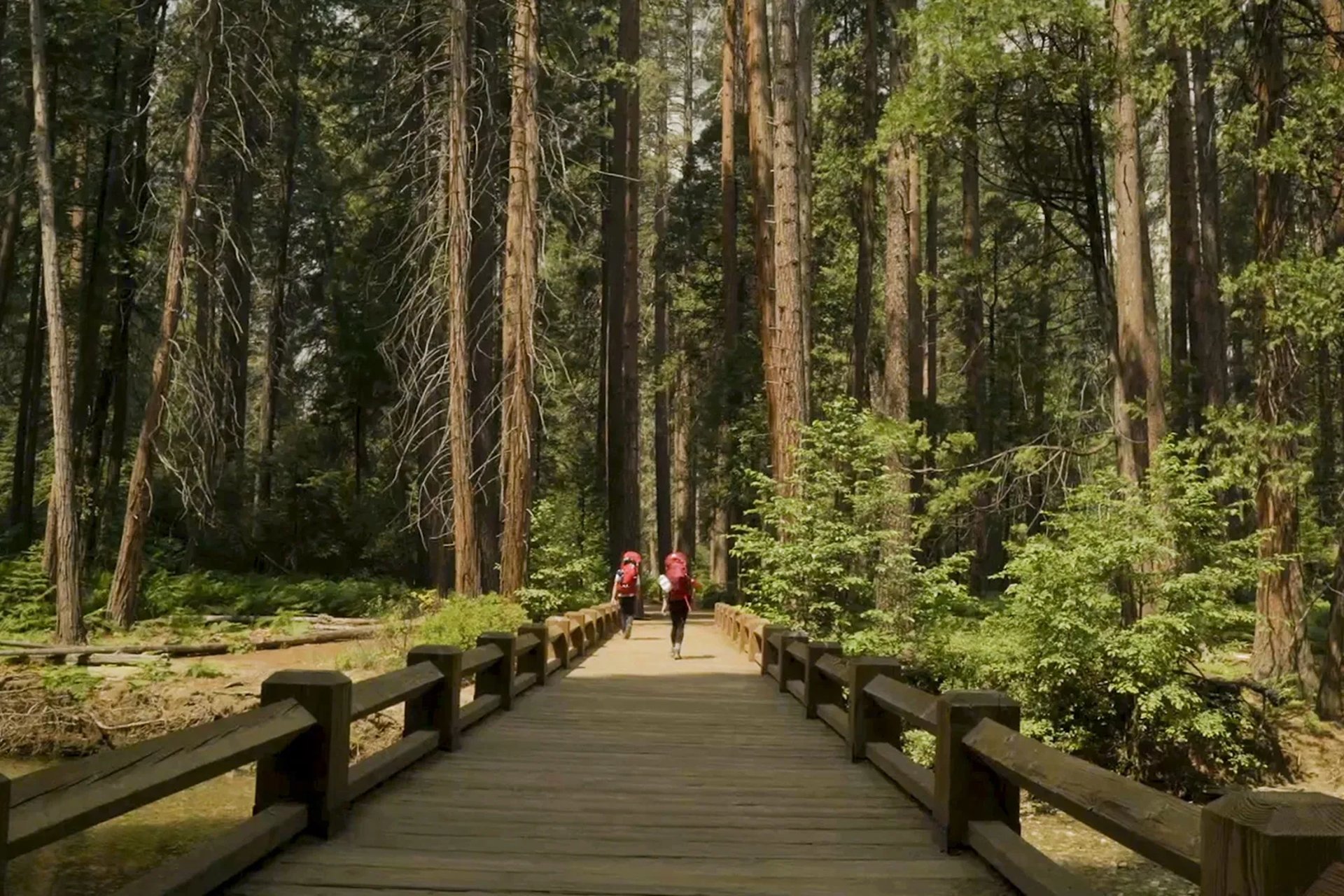
Reflective walks and winter hikes are not about conquering terrain or tracking metrics. They are about symbolic motion—moving forward without forcing direction.
Nature moves this way too. Rivers slow under ice. Animals conserve energy. Progress continues, just at a pace aligned with conditions.
Beginnings formed through gentle movement tend to endure.
The Cost of Rushing What Is Meant to Root
When beginnings are rushed, they often collapse under their own weight. Goals formed without reflection lose relevance. Systems built without foundation require constant repair.
Nature does not gamble with beginnings. It waits. It tests conditions. It responds rather than reacts.
By observing this wisdom, we learn that sustainable change rarely starts with urgency—it starts with attention.
A Seasonal Framework for Starting the Year
Rather than resolutions, consider seasonal questions:
What is quietly forming beneath the surface?
What needs protection rather than exposure?
Where can patience replace pressure?
These questions honor the season you are actually in—not the one the calendar suggests you should be in.
Beginnings guided by seasonality feel less fragile because they are built in cooperation with time.
Trusting the Invisible Work
One of nature’s most difficult lessons is trusting what cannot yet be seen.
Winter asks us to believe in unseen roots, stored energy, and future bloom. This trust is not passive—it is active restraint.
When we allow beginnings to unfold invisibly, we give them the strength to emerge fully when the moment is right.
Closing Reflection
Nature never rushes into a new season, and it never apologizes for moving slowly. Its confidence comes from alignment, not urgency.
As you step into the new year, consider beginning the way nature does: quietly, intentionally, and without force. Let preparation count as progress. Let stillness be productive.
In time, growth will come—and it will be stronger for having waited.