Winter Terrariums and Indoor Plant Displays: Green Beauty for Grey Days
Discover how to create stunning, low-maintenance winter terrariums and indoor plant displays that bring nature’s calm into your home. Learn the best plants, materials, and design tips to craft your own miniature ecosystems—perfect for brightening grey winter days.
INDOOR & BALCONY GARDENS
P & P
12/8/20255 min read


Winter Terrariums and Indoor Plant Displays: Green Beauty for Grey Days
Amazon Associate Disclosure:
As an Amazon Associate, Papaver & Petals may earn a small commission from qualifying purchases, at no additional cost to you.
Winter invites us inward—toward warm blankets, quiet routines, and the simple beauties we create at home. When the landscape outside turns muted and still, bringing a bit of green indoors becomes more than decoration. It becomes therapy. Terrariums and curated plant displays offer a way to cultivate small, thriving worlds right on your windowsill or coffee table—miniature ecosystems that stay vibrant even as the season rests.
The magic of a terrarium lies in its self-sustaining nature. Once set up correctly, it becomes a low-maintenance piece of living art: a tiny forest, a lush moss garden, or a desert-inspired vignette. Whether you're a beginner or a seasoned plant lover, winter is the ideal time to create one. With a little intention and the right materials, you can design a living display that nurtures both your home and your spirit.
The Beauty of Winter Terrariums
Terrariums thrive with minimal care, making them perfect for winter, when humidity drops and sunlight shifts. Their enclosed environment creates a microclimate where plants can flourish despite cooler temperatures or dry indoor air. Moss stays plush, ferns stay delicate, and humidity-loving plants get the moisture they crave.
Beyond practicality, terrariums help restore a sense of connection to the natural world. During winter—when days are short and colors fade—these tiny green scenes act as grounding reminders that life persists quietly, gently, beautifully.
What You Need to Get Started
Creating a terrarium is simple, satisfying, and wonderfully customizable. Here’s what you’ll need:
Containers
Almost any clear vessel works:
Glass jars with lids
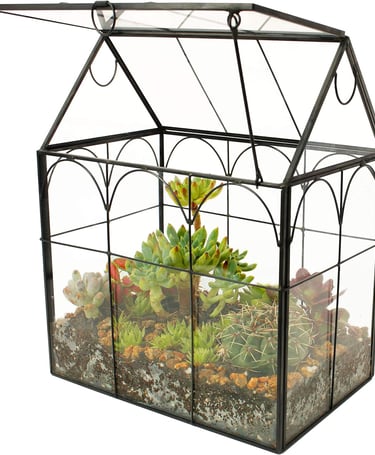
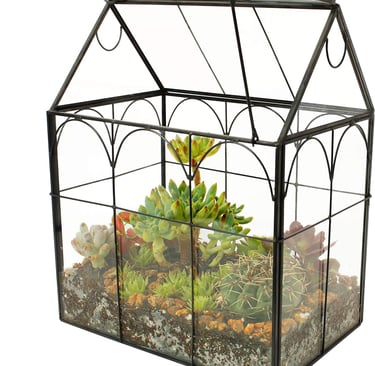
Apothecary or cloche-style domes
Wide-mouthed vases
Repurposed candle jars
Glass bowls or cubes
For truly low-maintenance terrariums, choose lidded containers that maintain humidity with very little watering.
Some of our favorites:
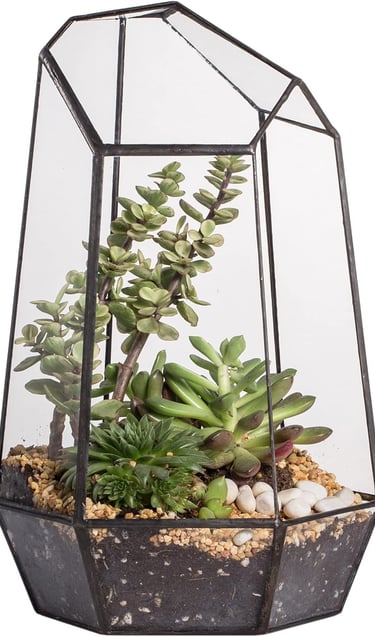
Glass Geometric Plant Terrarium - https://amzn.to/49XroJK
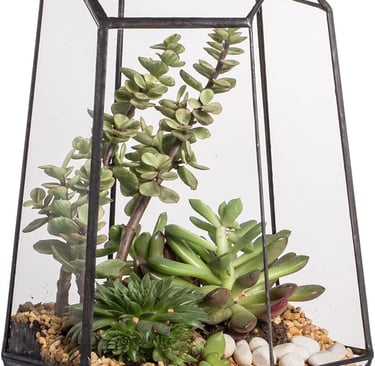
Geometric Glass Terrarium Planter for Succulent - https://amzn.to/4av09pW
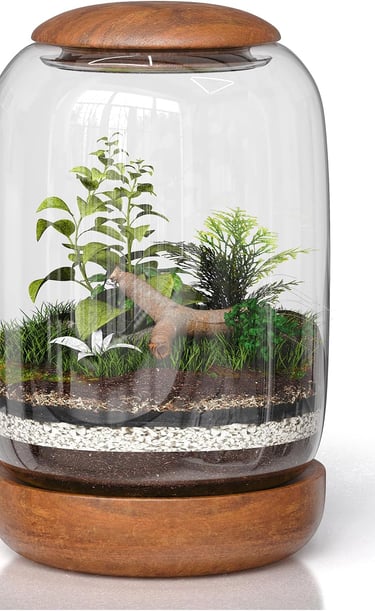
Exclusive Glass Terrarium, Beautifully Enhanced by a Natural Wood lid and Base - https://amzn.to/48AXPLw
Base Layers
Terrariums function best with proper drainage and airflow in the soil:
Gravel or small pebbles: the foundational drainage layer
Coarse Sand Stone - https://amzn.to/4aCmtho
Activated charcoal: helps purify water and reduce odors
Olivette Horticultural Biochar - https://amzn.to/44MIQwU
Lightweight potting mix: ideally formulated for indoor plants
Soil Sunrise Terrarium Potting Soil Mix - https://amzn.to/49WtDgr
Moss sheet (optional): placed over soil for extra moisture control
Live Moss Variety Pack - https://amzn.to/3KHXU8i
Tools
Long tweezers or chopsticks
Small spoon or scoop
Spray bottle
Soft brush for cleaning the glass afterward
One tool set for everything you need: hygger Long Stainless Steel Premium Aquarium Tools - https://amzn.to/3Y7Ym2N
Plants
Choose species that thrive in humid, low-light conditions:
Mosses (sheet, cushion, or mood moss)
Live Moss Variety Pack - https://amzn.to/3KHXU8i
Miniature ferns
BubbleBlooms Fern Variety Assortment - https://amzn.to/48jgPzp
Peperomia
BubbleBlooms Peperomia Assortment - https://amzn.to/4rADxui
Baby tears
Dwarf Baby Tears Carpet - https://amzn.to/3KHYZgm
Fittonia (nerve plants)
Three Fittonia Nerve Plants - https://amzn.to/4pSJnpt
Pilea depressa
Pilea depressa - https://amzn.to/4pn19kP
Selaginella
Selaginella Resurrection Grass - https://amzn.to/4rE3bhK
For open terrariums:
Mini succulents
Air plants
Haworthia
Cacti (only for very open vessels with ample airflow)
How to Build a Low-Maintenance Terrarium
Follow this simple layering process to create a self-sustaining environment:
1. Create the Drainage Layer
Add 1–2 inches of gravel or pebbles. This prevents roots from sitting in water, which is essential for healthy growth.
2. Sprinkle Activated Charcoal
A thin layer of charcoal keeps the ecosystem fresh and reduces mold development—especially important for closed terrariums.
3. Add Potting Mix
Use enough soil to comfortably anchor plant roots. Consider creating gentle mounds or dips to add dimension and visual interest.
4. Place Your Plants
Use long tweezers or chopsticks to arrange plants exactly where you want them. Start with your largest plant and build out from there.
Aim for:
Varying heights
Multiple textures
One focal point
Breathing room around each plant
5. Add Moss and Natural Accents
Tuck moss around the base of plants to help lock in moisture. Add stones, bark, pinecones, or a tiny figurine to personalize your miniature world.
6. Mist Lightly
Give the terrarium its first gentle mist—just enough to moisten the soil. Closed terrariums need very little ongoing watering.
7. Place in Proper Light
Bright, indirect light is best. Avoid harsh, direct sun, which can overheat the container.
Low-Maintenance Care Tips for Winter
Terrariums thrive with simplicity. Overcare—not neglect—is usually the issue. Here’s how to keep yours beautiful through the colder months:
Water Sparingly
Closed terrariums may only need watering every 4–8 weeks. Open terrariums may need misting once a week. If glass is heavily fogging, reduce moisture.
Trim Thoughtfully
Snip back overgrown leaves to maintain balance and airflow.
Wipe the Glass
condensation or minerals build up, gently clean the inside with a soft brush.
Rotate Occasionally
This ensures even light and prevents plants from leaning.
Avoid Fertilizer
In a terrarium, fertilizer can encourage overly fast growth and throw off the balance of the ecosystem.
Indoor Plant Displays for Winter Calm
Terrariums are just one way to bring nature indoors. Winter is the perfect time to create small plant displays that feel soothing, intentional, and alive.
Here are some effortless ideas:
1. Moss Bowls
A single large cushion of moss in a ceramic bowl creates a minimalist, meditative display.
2. Miniature Forest Scene
Cluster small ferns, peperomias, and moss-covered stones on a wooden tray.
3. Windowsill Herb Nook
Even in winter, rosemary, thyme, and mint can thrive with enough light—perfect for cozy kitchen rituals.
4. Nature Shelf
Combine dried flowers, trailing plants, crystals, and natural objects for a layered, seasonal vignette.
5. Open-Bowl Desert Garden
Succulents arranged with sand, driftwood, and quartz pieces add warmth and contrast to winter palettes.
Every display becomes a small celebration of the season, pulling nature’s quiet beauty into the home where it’s most needed.
Why Winter Is the Perfect Time for Indoor Nature Projects
Winter shifts us into slower rhythms—and terrariums fit right into that gentle pace. Building one offers:
Mindful relaxation
Hands-on creative expression
Connection to nature during a dormant season
A sense of nurturing and growth
A beautiful, living object to brighten grey days
These tiny ecosystems remind us that life is always moving, even when it slows down. They bring grounding energy into the home, soften winter’s starkness, and create small sanctuaries that feel deeply nourishing.
Final Thoughts
Terrariums and curated indoor plant displays are winter’s quiet magic—living scenes that shimmer behind glass, hold moisture like morning forest air, and remind us that green life continues even in the coldest months.
Designing one is simple, soothing, and endlessly customizable. With the right layers, the right light, and a bit of creativity, you can bring the beauty of nature indoors in a way that feels both grounding and enchanting.
Let your terrarium be a small world of calm this winter—a reminder that growth is always happening, even in the slowest seasons.